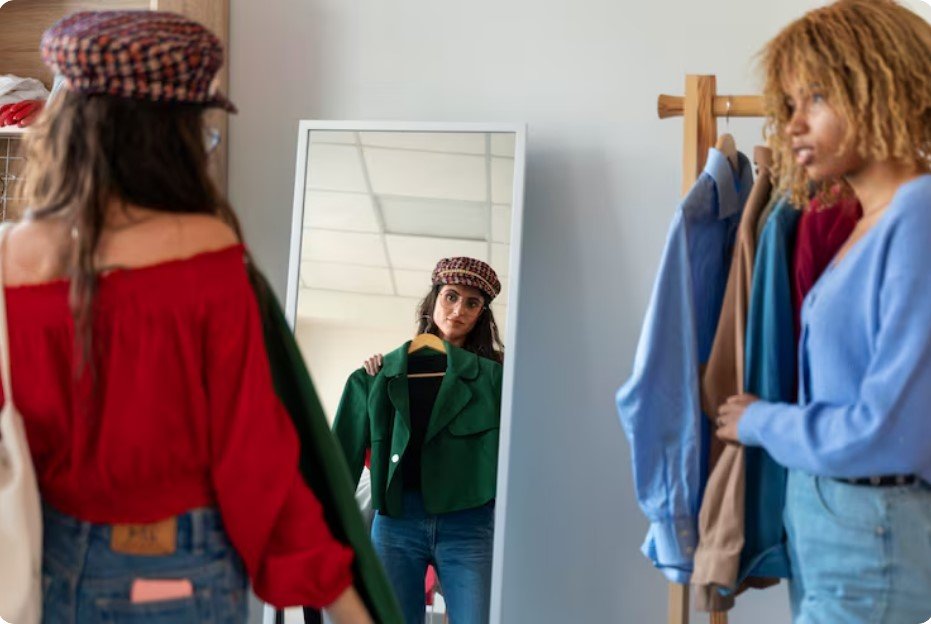
The Mind Behind the Style: Exploring Fashion Psychology
Fashion is often seen as a superficial art—a way to look good or follow trends. Yet beneath the colors, fabrics, and styles lies a fascinating world where psychology and clothing intersect. Fashion psychology is the study of how what we wear affects our thoughts, emotions, behaviors, and even the way others perceive us. It’s a field that reveals how our choices in clothing are more than aesthetic—they are expressions of identity, mood, and social connection.
Clothing as an Expression of Identity
One of the most powerful aspects of fashion psychology is the idea that clothing serves as a mirror of our identity. The choices we make—whether opting for a crisp suit, a casual hoodie, or vibrant accessories—communicate our personality to the world. Psychologists suggest that people often use clothing as a tool to express traits they value or aspire to. For example, someone dressing in bold colors may want to project confidence and creativity, while muted tones might reflect introspection or professionalism.
Beyond personal identity, fashion also signals group membership. Uniforms, team jerseys, or even brand preferences can create a sense of belonging and solidarity. This social dimension of fashion underscores how clothing is both personal and communal—a language that conveys who we are and where we fit in society.
The Emotional Power of Clothing
Clothing doesn’t just send messages outward; it also influences how we feel internally. This concept, known as enclothed cognition, suggests that wearing certain types of clothing can affect our psychological state. For instance, studies have shown that putting on a lab coat can improve attention and careful thinking because it symbolizes professionalism and focus. Similarly, wearing comfortable, casual clothing may induce relaxation and lower stress levels.
Fashion psychology also explores how clothing choices can influence confidence. Many people have experienced the “power outfit” phenomenon—a suit or dress that makes them feel more assertive, capable, or attractive. By consciously choosing garments that align with desired emotional states, individuals can subtly shape their own behavior and mindset.
First Impressions and Social Perception
Humans are wired to make quick judgments based on appearance, and clothing plays a crucial role in these assessments. Fashion psychology examines how attire affects first impressions in both personal and professional contexts. For example, formal clothing is often associated with competence, authority, and reliability, while casual wear may suggest approachability and creativity. These perceptions can impact career opportunities, social interactions, and even romantic attraction.
Interestingly, cultural and societal norms heavily influence these judgments. What is considered professional, stylish, or attractive varies across societies, meaning fashion psychology is not only about the individual but also the environment in which they exist.
Fashion and Self-Transformation
Fashion has the remarkable ability to transform not just how others see us, but how we see ourselves. Trying new styles or experimenting with trends can be a form of self-exploration. For instance, wearing bold or unconventional outfits may encourage stepping outside comfort zones, fostering self-confidence and resilience. In many ways, clothing can act as a psychological “mask” or tool, allowing individuals to embody traits they wish to develop or express.
Fashion psychology also highlights the therapeutic potential of clothing. For some, curating outfits or engaging in fashion-related hobbies provides a sense of control, creativity, and self-expression that can boost mental well-being. In this sense, style is not just about aesthetics—it’s a subtle form of emotional self-care.
The Future of Fashion Psychology
As awareness of fashion psychology grows, industries and individuals are beginning to leverage its insights. Brands are designing clothing not only for visual appeal but also for emotional impact. Workplaces are reconsidering dress codes to foster productivity and inclusivity. And individuals are increasingly conscious of how fashion choices reflect values, personality, and mood.
Ultimately, understanding fashion psychology allows us to appreciate clothing as more than fabric—it’s a medium of communication, emotion, and transformation. Every choice we make in our wardrobe tells a story, not just to the world but to ourselves.
Conclusion
Fashion psychology bridges the gap between style and mind, revealing that clothing is deeply intertwined with identity, emotion, and social perception. From expressing personality to influencing confidence and shaping first impressions, the garments we wear carry meaning beyond the surface. By understanding the psychology behind fashion, we gain insight into not only how we appear but also how we think, feel, and interact with the world. In the end, fashion is not just about looking good—it’s about understanding ourselves and harnessing the power of style to express and enhance who we truly are.