Swann’s Way Understanding the First Volume of In Search of Lost Time
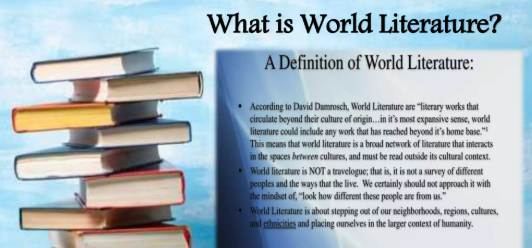
Swann’s Way is one of the most celebrated works in world literature and serves as the opening volume of Marcel Proust’s monumental novel cycle, In Search of Lost Time. First published in 1913, the book explores memory, love, time, and human relationships through richly detailed storytelling and psychological insight. Although it is often considered a challenging read, Swann’s Way continues to captivate readers, scholars, and literary enthusiasts with its timeless themes and innovative narrative style.
This guide explains the novel’s background, story, major characters, themes, literary significance, and why it remains one of the greatest achievements in modern literature.
What Is Swann’s Way?
Swann’s Way is the first volume of In Search of Lost Time, a seven-part novel written by French author Marcel Proust. The book combines autobiography, fiction, and philosophical reflection to explore how memories shape identity and influence our understanding of the past.
Rather than following a traditional action-driven plot, the novel focuses on the narrator’s recollections, emotions, and observations, inviting readers into a deeply personal and reflective literary experience.
Swann’s Way at a Glance
| Feature | Details |
|---|---|
| Title | Swann’s Way |
| Author | Marcel Proust |
| Original Language | French |
| First Published | 1913 |
| Literary Genre | Modernist Novel |
| Part of | In Search of Lost Time |
| Primary Themes | Memory, Love, Time, Society |
About Marcel Proust
Marcel Proust was a French novelist, essayist, and literary critic whose work transformed modern fiction. He is best known for In Search of Lost Time, a masterpiece that examines memory, relationships, and the passage of time through detailed psychological observation.
Proust’s writing style is recognized for its long, elegant sentences, vivid descriptions, and thoughtful exploration of human emotions. His influence extends far beyond French literature, inspiring generations of writers around the world.
Plot Overview of Swann’s Way
The novel is divided into several sections, each exploring different aspects of memory and human experience.
The opening pages introduce one of literature’s most famous moments, where the narrator recalls childhood memories after tasting a madeleine cake dipped in tea. This seemingly ordinary experience triggers a flood of memories, demonstrating how small sensory experiences can reconnect people with the past.
Another major section follows Charles Swann, a sophisticated member of Parisian society, and his complicated romantic relationship with Odette de Crécy. Through Swann’s experiences, the novel explores love, jealousy, desire, and emotional uncertainty.
Rather than focusing on dramatic events, the story emphasizes the inner lives of its characters and the way memories influence present emotions.
Main Characters
Several memorable characters shape the narrative of Swann’s Way.
| Character | Role |
|---|---|
| The Narrator | Reflects on childhood memories and personal experiences |
| Charles Swann | Wealthy art lover and central figure in one section of the novel |
| Odette de Crécy | Swann’s romantic interest |
| Narrator’s Mother | Represents family affection and emotional security |
| Narrator’s Grandmother | Symbolizes kindness and wisdom |
| Various Society Figures | Illustrate the customs and values of French high society |
Each character contributes to the novel’s exploration of relationships, memory, and social life.
Major Themes in Swann’s Way
One reason Swann’s Way remains widely studied is its exploration of universal themes that continue to resonate with readers.
Some of the novel’s central themes include:
- Memory and recollection.
- The passage of time.
- Love and jealousy.
- Family relationships.
- Art and beauty.
- Social class.
- Human psychology.
- Personal identity.
These themes give the novel lasting relevance despite being written more than a century ago.
Literary Style
Marcel Proust’s writing style is distinctive and often described as both challenging and rewarding. His sentences frequently unfold through detailed observations and careful reflection, allowing readers to experience the narrator’s thoughts in remarkable depth.
Key characteristics of the novel include:
- Rich descriptive language.
- Psychological depth.
- Detailed character development.
- Symbolic imagery.
- Philosophical reflection.
- Elegant narrative structure.
Although the pacing is slower than many modern novels, the careful attention to emotion and memory creates an immersive reading experience.
Why Swann’s Way Is Considered a Literary Classic
Swann’s Way is regarded as one of the greatest novels ever written because of its originality and influence on modern literature.
Several factors contribute to its reputation:
- Innovative storytelling techniques.
- Deep exploration of memory.
- Complex characters.
- Timeless themes.
- Beautiful prose.
- Lasting influence on later writers.
- Critical acclaim around the world.
Its impact continues to be felt in literature, philosophy, and literary criticism.
Who Should Read Swann’s Way?
The novel is especially rewarding for readers who enjoy thoughtful, character-driven stories rather than fast-paced plots.
It may appeal to:
- Literature students.
- Book club members.
- Classic fiction enthusiasts.
- Writers.
- Scholars.
- Readers interested in philosophy.
- Fans of psychological fiction.
Although beginners may find the style demanding, many readers consider the experience worthwhile because of the novel’s depth and beauty.
The Lasting Legacy of Swann’s Way
More than a century after its publication, Swann’s Way continues to inspire readers, critics, and authors across the world. It is frequently included in lists of the greatest novels ever written and remains a central work in the study of modern literature.
Its exploration of memory, identity, and human relationships has influenced countless writers and continues to shape discussions about storytelling and literary art.
Final Thoughts
Swann’s Way is far more than the opening volume of In Search of Lost Time. It is a profound meditation on memory, love, and the passage of time that continues to resonate with readers today. Marcel Proust’s remarkable storytelling and psychological insight have secured the novel’s place among the greatest achievements in world literature.
Whether you are discovering Proust for the first time or revisiting this literary masterpiece, Swann’s Way offers a rewarding reading experience filled with thoughtful observations and timeless ideas.
FAQs
What is Swann’s Way about?
Swann’s Way explores memory, love, family, and the passage of time through the experiences of its narrator and several memorable characters.
Who wrote Swann’s Way?
The novel was written by French author Marcel Proust and published in 1913.
Is Swann’s Way part of a larger series?
Yes. It is the first volume of In Search of Lost Time, a seven-volume novel considered one of the greatest works of modern literature.
Why is Swann’s Way considered a classic?
It is admired for its innovative narrative style, psychological depth, beautiful prose, and exploration of universal themes such as memory and identity.
Is Swann’s Way difficult to read?
Some readers find its detailed writing style challenging, but many appreciate its rich language, thoughtful insights, and lasting literary significance.