Wench History, Meaning, and Modern Interpretation
The word wench has existed in the English language for centuries and has changed significantly in meaning over time. In earlier periods, it was commonly used to refer to a young woman or girl without necessarily carrying a negative meaning. However, modern usage has evolved, and today the term is often considered outdated or offensive, depending on the context.
Understanding the history and modern interpretation of wench helps readers recognize when the word appears in literature, historical texts, films, or conversations. This guide explains its definition, origin, historical development, contemporary usage, and why many people avoid using it today.
What Does Wench Mean?
The meaning of wench depends on the historical period and context in which it is used.
In its earliest form, the word referred to:
- A young woman.
- A girl.
- A female servant.
- A young female worker.
Over time, however, the meaning shifted. In many modern contexts, wench is used as an old-fashioned or disrespectful term for a woman and may be considered insulting.
Because language evolves, it is important to understand both the historical and present-day meanings of the word.
Wench at a Glance
| Feature | Details |
|---|---|
| Word | Wench |
| Part of Speech | Noun |
| Language Origin | Old English and Middle English |
| Original Meaning | Young woman or girl |
| Modern Usage | Often considered outdated or offensive |
| Common Context | Historical literature and period dramas |
| Tone Today | Informal, archaic, or potentially disrespectful |
The Origin of the Word Wench
The word wench dates back to Middle English, where it originally referred to a young female or girl. Early uses did not necessarily imply disrespect and were simply descriptive.
As English developed over the centuries, the meaning gradually changed. By the early modern period, the term was sometimes used for female servants or women of lower social status.
Eventually, changing social attitudes caused the word to take on more negative or dismissive connotations in everyday speech.
Historical Usage
Throughout history, wench appeared frequently in literature, historical documents, and theatrical works.
It was often used to describe:
- Young women.
- Tavern workers.
- Female servants.
- Characters in medieval settings.
- Women in historical fiction.
In older texts, readers should interpret the word according to the historical context rather than today’s standards.
Modern Meaning and Usage
In contemporary English, wench is rarely used in everyday conversation. When it does appear, it is often found in:
- Historical novels.
- Fantasy stories.
- Medieval-themed entertainment.
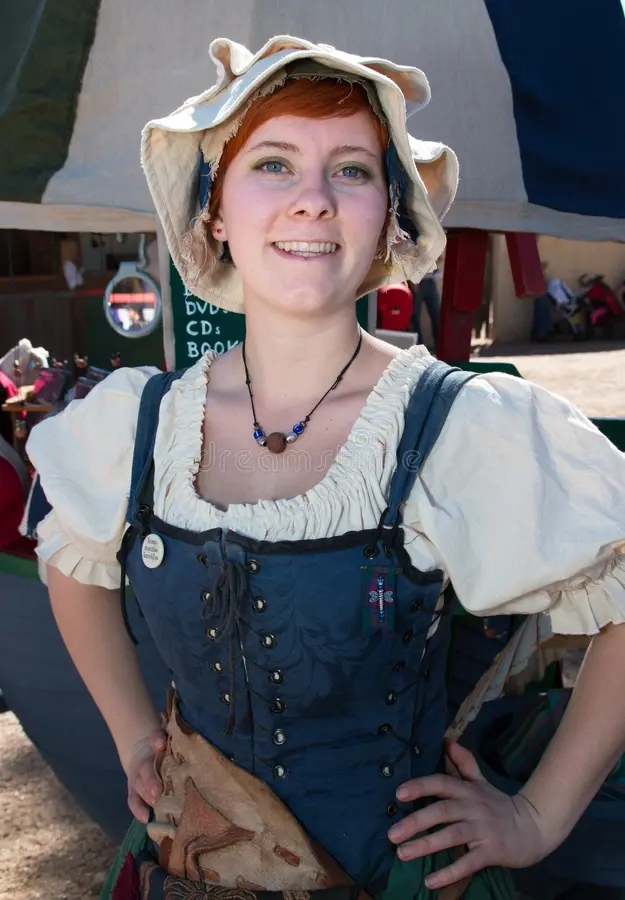
- Renaissance fairs.
- Period films and television series.
Outside these contexts, the term may sound disrespectful or sexist because many people associate it with outdated attitudes toward women.
For this reason, it is generally best to avoid using the word in modern communication unless discussing historical language or quoting literary works.
Examples of Historical Context
The meaning of wench varies depending on where it appears.
| Context | Typical Meaning |
|---|---|
| Medieval Literature | Young woman or servant |
| Historical Novels | Female character in a historical setting |
| Fantasy Fiction | Tavern worker or village woman |
| Renaissance Festivals | Traditional costume character |
| Modern Conversation | May be considered offensive |
Understanding the setting helps readers interpret the intended meaning accurately.
Why the Meaning Changed
Language naturally changes over time, and wench is a good example of how a word’s meaning can evolve.
Several factors influenced this change:
- Cultural shifts.
- Social attitudes.
- Changes in gender roles.
- Modern standards of respectful language.
- Declining everyday use.
Today, many words that were once considered ordinary are interpreted differently because society’s understanding of respectful communication has evolved.
Similar Words
Depending on the context, several alternative words may be more appropriate.
Some examples include:
- Young woman.
- Girl.
- Lady.
- Woman.
- Female servant (historical context).
- Maid (when historically accurate).
- Worker.
Choosing modern, respectful language helps avoid misunderstandings.
Should You Use the Word Wench Today?
In most situations, it is better to avoid using wench in everyday speech or writing. While the word still appears in historical discussions and fictional settings, many people today view it as disrespectful or outdated.
If you are discussing literature, history, or historical films, using the word within its original context is generally acceptable. However, when referring to someone in real life, respectful alternatives such as woman, young woman, or lady are usually more appropriate.
Being aware of historical language helps readers understand older texts while communicating respectfully in modern settings.
Interesting Facts About the Word Wench
Here are some interesting facts about wench:
- The word has been used in English for several centuries.
- Its original meaning was not necessarily negative.
- It frequently appears in medieval and Renaissance literature.
- Many historical novels continue to use the term for authenticity.
- Modern dictionaries often label it as archaic or potentially offensive.
- The word illustrates how language evolves over time.
These facts demonstrate why understanding historical context is important when reading older works.
Final Thoughts
The word wench has a long and fascinating history within the English language. Once a common term for a young woman or servant, it has gradually developed meanings that many people now consider outdated or disrespectful. As a result, the word is primarily encountered in historical literature, fantasy fiction, and discussions about language rather than in everyday conversation.
Understanding the history, evolution, and modern interpretation of wench allows readers to appreciate older texts while using respectful language in contemporary communication.
FAQs
What does wench mean?
Historically, wench referred to a young woman, girl, or female servant. Today, it is generally considered an outdated term and may be viewed as disrespectful.
Is the word wench offensive?
It can be. In modern English, many people consider the term old-fashioned or insulting, especially when used to describe someone in real life.
Where is the word wench commonly found today?
The word is most often seen in historical novels, classic literature, fantasy stories, medieval-themed events, and discussions about language history.
What was the original meaning of wench?
Originally, the word simply referred to a young woman or girl without necessarily carrying a negative meaning.
Should I use the word wench in everyday conversation?
Generally, no. Modern alternatives such as woman, young woman, or lady are more appropriate and respectful in most situations.