Tavor: Complete Guide to Uses, Dosage, Side Effects, Safety, and Withdrawal
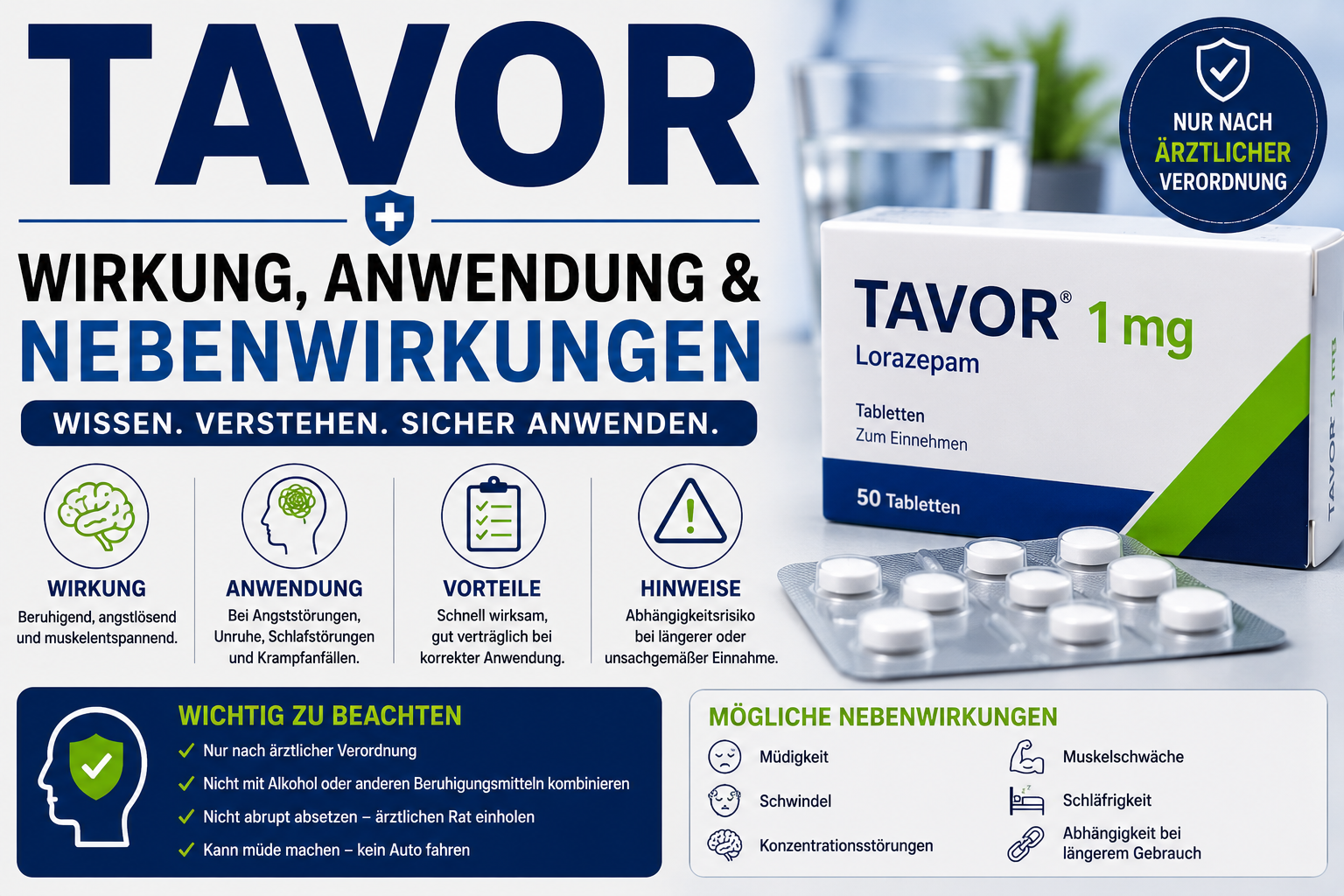
Tavor is a prescription medication commonly used to treat anxiety disorders, insomnia related to anxiety, and certain emergency medical conditions. It belongs to a group of medicines called benzodiazepines, which work by calming the brain and nervous system. Because of its fast-acting effects, many healthcare professionals prescribe Tavor for short-term symptom relief rather than long-term treatment.
Although highly effective when used correctly, Tavor also carries important risks, including dependence, withdrawal symptoms, and potential interactions with alcohol or other medications. Understanding how it works, when it should be used, and how to take it safely is essential for anyone prescribed this medicine.
This comprehensive guide explains everything you need to know about Tavor, including its medical uses, dosage recommendations, side effects, precautions, withdrawal process, and frequently asked questions.
What Is Tavor?
Tavor is the brand name for lorazepam, a medication classified as a benzodiazepine. It enhances the activity of gamma-aminobutyric acid (GABA), a natural chemical in the brain responsible for reducing excessive nerve activity.
As GABA activity increases, the brain becomes calmer, resulting in:
- Reduced anxiety
- Muscle relaxation
- Sedation
- Improved sleep
- Prevention of seizures
Because it acts relatively quickly, Tavor is often used for acute anxiety episodes and emergency situations where immediate calming effects are required.
How Does Tavor Work?
The human brain constantly balances stimulating and calming signals. Anxiety disorders often involve excessive stimulation within the central nervous system.
Tavor increases the effectiveness of GABA receptors, slowing down nerve communication.
This produces several beneficial effects:
- Reduces anxious thoughts
- Relaxes tense muscles
- Helps induce sleep
- Controls panic attacks
- Prevents seizures
- Produces a calming effect before surgery
Its effects usually begin within 20 to 60 minutes after oral administration.
Medical Uses of Tavor
Healthcare providers prescribe Tavor for several approved and off-label conditions.
Anxiety Disorders
This is the most common reason for prescribing Tavor.
It may help manage:
- Generalized anxiety disorder (GAD)
- Severe stress
- Acute anxiety attacks
- Situational anxiety
Many patients experience noticeable symptom relief within an hour.
Panic Attacks
People experiencing sudden panic episodes may benefit from Tavor because it acts rapidly.
Symptoms it may reduce include:
- Racing heartbeat
- Shortness of breath
- Sweating
- Fear of losing control
- Chest tightness
Insomnia Related to Anxiety
If anxiety prevents someone from falling asleep, short-term treatment with Tavor may improve sleep quality.
Doctors usually avoid prescribing it for chronic insomnia due to dependence risks.
Status Epilepticus
In hospitals, injectable lorazepam is commonly used to stop prolonged seizures.
This emergency use can be lifesaving.
Before Medical Procedures
Many surgeons prescribe Tavor before surgery to:
- Reduce anxiety
- Relax muscles
- Improve patient comfort
- Produce mild sedation
Available Forms of Tavor
Tavor is available in several formulations depending on medical needs.
These include:
- Oral tablets
- Injectable solution
- Oral liquid (in some countries)
Tablet strengths may vary depending on local regulations.
Recommended Dosage
The appropriate dosage depends on:
- Age
- Medical condition
- Liver function
- Kidney function
- Response to treatment
- Other medications
Typical prescribing patterns include:
Anxiety
- Usually taken two to three times daily
- Dose adjusted individually
Insomnia
- Taken before bedtime
- Used only for short periods
Elderly Patients
Older adults generally receive lower doses because they are more sensitive to sedative effects.
Children
Use in children depends on the medical condition and should only occur under specialist supervision.
Never adjust your dose without consulting your healthcare provider.
How to Take Tavor Safely
Following proper instructions reduces the risk of complications.
Important recommendations include:
- Take exactly as prescribed.
- Swallow tablets with water.
- Do not increase your dose yourself.
- Avoid sharing the medication.
- Do not stop suddenly.
- Follow the prescribed treatment duration.
Consistency helps achieve the safest and most effective results.
Benefits of Tavor
When prescribed appropriately, Tavor offers several clinical advantages.
These include:
- Rapid anxiety relief
- Effective panic attack management
- Improved sleep during severe anxiety
- Muscle relaxation
- Seizure control
- Reliable preoperative sedation
- Well-studied medical profile
Many patients experience significant improvement in daily functioning after symptoms are controlled.
Common Side Effects
Like every medication, Tavor may cause side effects.
The most frequently reported include:
- Drowsiness
- Fatigue
- Dizziness
- Weakness
- Sleepiness
- Reduced concentration
- Slowed reaction time
- Blurred vision
- Dry mouth
These symptoms often improve as the body adjusts.
Serious Side Effects
Although uncommon, some reactions require immediate medical attention.
Seek emergency care if you experience:
- Difficulty breathing
- Severe allergic reaction
- Confusion
- Hallucinations
- Extreme drowsiness
- Loss of consciousness
- Unusual mood changes
- Memory problems
- Suicidal thoughts
Prompt treatment can prevent serious complications.
Long-Term Risks
Tavor is generally intended for short-term use.
Long-term use increases the likelihood of:
Physical Dependence
The body gradually becomes accustomed to the medication.
Stopping suddenly can trigger withdrawal symptoms.
Tolerance
Over time, the original dose may become less effective.
This increases the temptation to take higher doses, which should never occur without medical supervision.
Addiction
Some individuals are at increased risk of misuse, especially those with a history of substance use disorders.
Healthcare providers carefully evaluate this risk before prescribing.
Withdrawal Symptoms
One of the most important concerns with Tavor is withdrawal.
Stopping abruptly may cause:
- Severe anxiety
- Insomnia
- Irritability
- Tremors
- Sweating
- Nausea
- Headaches
- Rapid heartbeat
- Muscle pain
- Panic attacks
- Seizures (in severe cases)
Doctors usually recommend gradually reducing the dose rather than stopping suddenly.
Who Should Avoid Tavor?
This medication may not be appropriate for everyone.
Inform your healthcare provider if you have:
- Severe liver disease
- Sleep apnea
- Myasthenia gravis
- Severe breathing disorders
- History of drug addiction
- Severe depression
- Glaucoma (certain types)
Medical evaluation helps determine whether alternative treatments may be safer.
Drug Interactions
Several medicines can interact with Tavor.
Examples include:
- Opioid pain medications
- Sleeping pills
- Other benzodiazepines
- Antidepressants
- Antipsychotics
- Muscle relaxants
- Certain seizure medications
- Antihistamines
These combinations may increase sedation and breathing problems.
Always provide your healthcare provider with a complete medication list.
Alcohol and Tavor
Alcohol should never be combined with Tavor.
Both depress the central nervous system.
The combination may cause:
- Dangerous drowsiness
- Confusion
- Poor coordination
- Falls
- Respiratory depression
- Coma
- Death
Avoid alcohol throughout treatment.
Pregnancy and Breastfeeding
Tavor should only be used during pregnancy if the expected benefit outweighs potential risks.
Possible concerns include:
- Withdrawal symptoms in newborns
- Breathing difficulties
- Excessive sleepiness
The medication may also pass into breast milk.
Discuss risks and benefits with your healthcare provider before use.
Can You Drive While Taking Tavor?
Many people experience slower reaction times after taking Tavor.
Avoid:
- Driving
- Operating machinery
- Climbing heights
- Performing hazardous work
Only resume these activities once you know how the medication affects you.
Storage Instructions
Store Tavor safely by following these recommendations:
- Keep at room temperature.
- Protect from moisture.
- Store away from direct sunlight.
- Keep out of reach of children.
- Do not use expired medication.
Safe storage also reduces the risk of accidental ingestion.
Signs of Overdose
An overdose requires immediate emergency medical attention.
Symptoms may include:
- Extreme drowsiness
- Slow breathing
- Confusion
- Poor coordination
- Unresponsiveness
- Coma
Never attempt to treat an overdose at home.
Tips for Safe Use
Using Tavor responsibly reduces complications.
Helpful tips include:
- Follow your prescription exactly.
- Attend regular medical appointments.
- Never share your medication.
- Avoid alcohol.
- Inform doctors about all medications.
- Do not stop suddenly.
- Store securely.
- Monitor side effects.
- Report unusual symptoms promptly.
Frequently Asked Questions
Is Tavor the same as lorazepam?
Yes. Tavor is a brand name for the generic medication lorazepam.
How quickly does Tavor start working?
Most people begin noticing effects within 20 to 60 minutes after taking an oral dose.
Can Tavor be taken every day?
It can be prescribed for daily use, but healthcare providers generally recommend short-term treatment whenever possible to reduce the risk of dependence.
Is Tavor addictive?
Yes. Prolonged or inappropriate use may lead to physical dependence and addiction, particularly in susceptible individuals.
Can I stop taking Tavor suddenly?
No. Abrupt discontinuation may cause withdrawal symptoms, including seizures in severe cases. A healthcare provider should supervise dose reduction.
Does Tavor help with sleep?
Yes. It may improve sleep when insomnia is caused by anxiety, but it is not usually recommended as a long-term sleep medication.
Can elderly patients take Tavor?
Yes, but they generally require lower doses because they are more sensitive to side effects such as falls, confusion, and excessive sedation.
Can I drink coffee while taking Tavor?
Moderate caffeine intake is generally acceptable, but excessive caffeine may worsen anxiety and reduce the calming effects of the medication.
Conclusion
Tavor is an effective prescription medication that provides rapid relief from anxiety, panic attacks, and several other medical conditions when used under professional supervision. Its ability to calm the nervous system makes it valuable in both routine and emergency healthcare settings. However, it should always be taken exactly as prescribed because prolonged use can lead to tolerance, dependence, and withdrawal symptoms. Patients should avoid alcohol, be cautious with other sedating medications, and never stop treatment abruptly without medical guidance. By understanding its benefits, risks, and proper use, individuals can make informed decisions and use Tavor safely while minimizing potential complications.