Medical Report Check How to Read Understand and Verify Your Health Reports
A medical report check helps you review and understand the information contained in your laboratory tests, diagnostic reports, imaging results, or health assessments. Whether you’ve received a blood test, urine test, X-ray, MRI, CT scan, or routine health screening, understanding your report can help you have more informed discussions with your healthcare provider.
While many reports include reference ranges and medical terminology, they should always be interpreted within the context of your overall health, symptoms, and medical history.
What Is a Medical Report?
A medical report is an official document prepared by a healthcare professional or diagnostic laboratory. It records the findings of medical tests, examinations, or treatments.
Common medical reports include:
- Blood test reports
- Urine analysis reports
- X-ray reports
- MRI reports
- CT scan reports
- Ultrasound reports
- ECG reports
- Health checkup reports
- Biopsy reports
- Pathology reports
Each report provides information that helps healthcare professionals diagnose, monitor, or manage medical conditions.
What Does a Medical Report Check Involve?
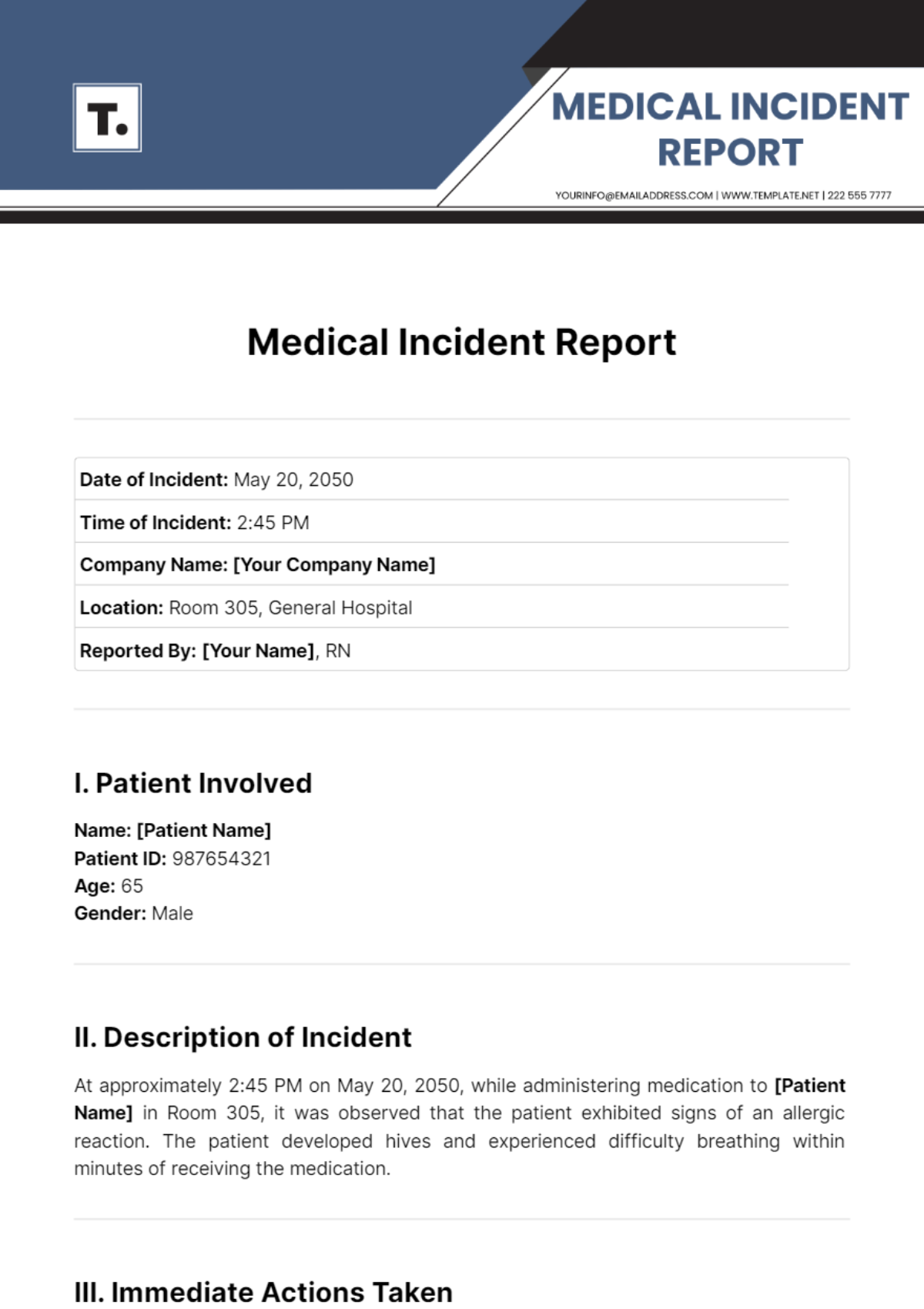
Reviewing a medical report usually includes checking:
- Patient information
- Test date
- Laboratory or hospital details
- Test values
- Reference ranges
- Doctor’s observations
- Recommendations
- Signature or authentication
Ensuring these details are accurate helps avoid misunderstandings.
Understanding Common Sections
Patient Information
Verify that your:
- Name
- Age
- Date of birth
- Gender
- Patient ID
are correct before reviewing the results.
Test Results
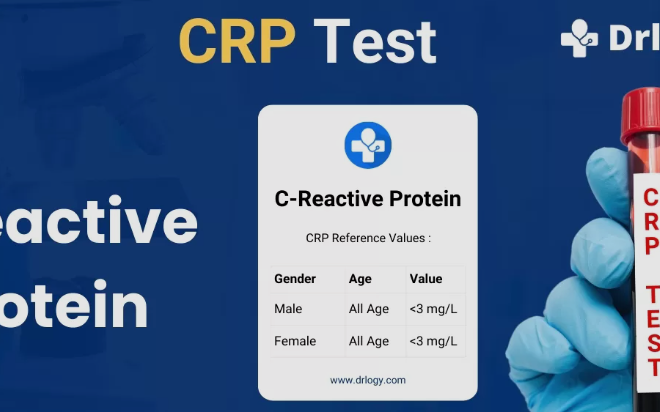
Each test lists one or more measurements. These values should be interpreted alongside the laboratory’s reference ranges.
Reference Range
A reference range represents values commonly found in healthy individuals. Results slightly above or below this range do not necessarily indicate illness, as interpretation depends on your individual circumstances.
Doctor’s Comments
Some reports include observations, impressions, or recommendations from the reporting physician or specialist.
Why Accuracy Matters
Checking your report helps ensure:
- Correct patient information
- Complete test results
- Proper dates
- Accurate measurements
- Clear documentation
If you notice an error, contact the laboratory or healthcare provider promptly.
How to Read Medical Reports Safely
When reviewing your report:
- Read the entire document.
- Compare values with the provided reference ranges.
- Avoid making self-diagnoses.
- Consider your symptoms and medical history.
- Discuss abnormal findings with your healthcare provider.
Medical reports are only one part of a complete clinical evaluation.
Common Reasons for Abnormal Results
Test results may vary due to factors such as:
- Age
- Sex
- Diet
- Medications
- Exercise
- Hydration
- Pregnancy
- Existing medical conditions
An abnormal result does not always mean a serious health problem.
When to Consult a Doctor
You should seek medical advice if:
- Your report contains abnormal values.
- You have ongoing symptoms.
- Your healthcare provider recommends follow-up testing.
- You have questions about your diagnosis or treatment.
Only a qualified healthcare professional can accurately interpret your results in context.
Tips for Keeping Medical Records
Maintaining organized records can be helpful.
Consider keeping:
- Digital copies of reports
- Previous laboratory results
- Imaging reports
- Vaccination records
- Medication lists
- Doctor’s recommendations
These records may assist during future medical appointments.
Final Thoughts
A medical report check is an important step in understanding your health information, but it should never replace professional medical advice. Reviewing your report carefully, verifying its accuracy, and discussing any concerns with your healthcare provider can help ensure you receive appropriate care. Remember that laboratory values and imaging findings must always be interpreted in the context of your overall health and medical history.
Frequently Asked Questions
What is a medical report check?
A medical report check involves reviewing your laboratory or diagnostic report for accuracy and understanding the results with the help of a healthcare professional.
Can I interpret my medical report myself?
You can review the information, but only a qualified healthcare professional can accurately interpret the results based on your symptoms, history, and clinical examination.
What should I verify first?
Check your name, age, patient ID, test date, and other personal information to ensure the report belongs to you.
What are reference ranges?
Reference ranges are values commonly found in healthy individuals and serve as a guide for interpreting test results.
Does an abnormal result always mean disease?
No. Many factors can influence test results, and abnormal values do not always indicate a medical condition.
What should I do if I notice an error in my report?
Contact the laboratory, hospital, or healthcare provider as soon as possible to request clarification or correction.
Why are follow-up tests sometimes needed?
A healthcare provider may recommend additional tests to confirm findings, monitor changes, or gather more information.
Should I keep copies of my medical reports?
Yes. Keeping organized medical records can help with future consultations and ongoing healthcare.
Can medications affect test results?
Yes. Some medications, supplements, and treatments may influence laboratory values, so inform your healthcare provider about everything you take.
When should I seek immediate medical attention?
If you have severe symptoms such as chest pain, difficulty breathing, sudden weakness, confusion, or other urgent concerns, seek immediate medical care rather than relying solely on a medical report.