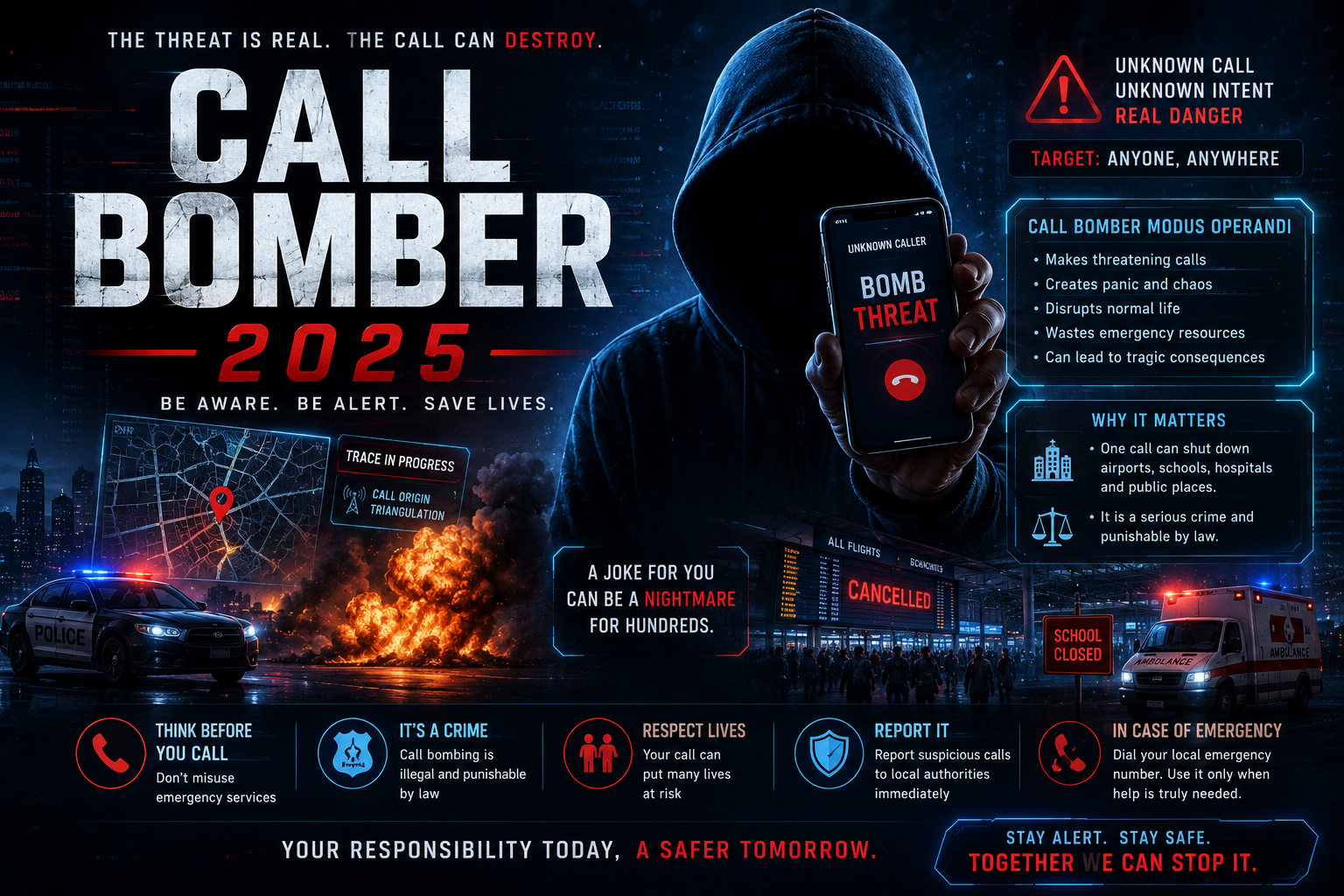
Call Bomber 2025: Everything You Need to Know
Call Bomber 2025 has become a frequently searched term as people look for tools that can place repeated phone calls to a number automatically. Some users search out of curiosity, while others want to prank friends or test phone systems. However, most people do not fully understand how these tools work, the privacy risks they create, or the legal consequences that may follow their misuse.
In recent years, authorities and cybersecurity experts have warned that many so-called call bomber websites and apps are unreliable, unsafe, or even designed to collect personal information. Before using any such service, it is important to understand the technology, the potential consequences, and the safer alternatives available today.
This guide explains everything you need to know in 2025, including how call bombers work, why they are popular, their risks, legal considerations, and better options for legitimate communication needs.
What Is a Call Bomber?
A call bomber is a tool or online service that automatically generates multiple phone calls to a single mobile or landline number within a short period.
The repeated calls continue until the tool reaches its preset limit or is manually stopped. Some services also combine repeated calls with SMS messages or OTP requests.
People usually search for these tools because they want to:
- Prank friends
- Test incoming call handling
- Stress test customer support systems
- Harass or annoy someone
- Experiment with automation
Although the technology may seem simple, using it against someone without permission can quickly cross legal and ethical boundaries.
How Does a Call Bomber Work?
Most call bombers automate call requests using software scripts.
The general process includes:
- Enter the target phone number.
- Choose the number of calls.
- Start the automation.
- The software repeatedly initiates calls until it reaches the selected limit.
Some advanced services attempt to rotate caller IDs or use multiple virtual phone numbers to make blocking more difficult.
Modern phone carriers, however, have significantly improved spam detection systems, making many of these services less effective than they once were.
Why Is Call Bomber 2025 Trending?
Several factors have contributed to increased searches.
Viral Social Media Content
Short videos showing prank reactions often encourage viewers to search for similar tools.
Curiosity
Many users simply want to know whether these services actually work.
Online Gaming Communities
Some gamers discuss call bombing during competitive matches, although such behavior violates community standards and may result in penalties.
Cybersecurity Discussions
Security researchers often analyze spam-calling technologies to improve defenses against automated abuse.
Types of Call Bombers
Different tools operate in different ways.
Browser-Based Services
These work directly through websites and require no installation.
Advantages:
- Easy to access
- Quick setup
Disadvantages:
- Often disappear quickly
- Frequently contain advertisements
- Higher privacy risks
Mobile Applications
Some Android applications advertise call bombing features.
These apps may request unnecessary permissions such as:
- Contacts
- Storage
- Microphone
- Location
Granting excessive permissions can expose personal information.
Script-Based Automation
Developers sometimes create automation scripts that repeatedly initiate calls through APIs or connected services.
These are generally intended for technical experimentation in controlled environments, not for targeting unsuspecting individuals.
Why People Use Call Bombers
Search trends suggest several common motivations.
Practical Testing
Organizations occasionally test:
- Phone routing
- Call queue capacity
- Customer support systems
These tests should always occur with authorization.
Curiosity
Many people simply want to understand how the technology functions.
Pranks
Prank usage remains one of the biggest reasons people search for these tools.
However, repeated unwanted calls can quickly become harassment.
Malicious Intent
Unfortunately, some individuals attempt to disrupt another person’s daily life by flooding their phone with repeated calls.
This behavior may violate laws in many jurisdictions.
Risks of Using Call Bomber Tools
Many users overlook the downsides.
Privacy Risks
Some websites collect:
- IP addresses
- Device information
- Browser fingerprints
- Email addresses
- Phone numbers
This information may later be sold or misused.
Malware
Fake call bomber downloads sometimes include:
- Spyware
- Trojans
- Adware
- Credential stealers
Installing software from unknown sources significantly increases security risks.
Data Theft
Some websites ask users to sign in with existing accounts.
This creates opportunities for phishing attacks.
Financial Scams
Certain services promise premium features after payment but never deliver functioning software.
Is Using a Call Bomber Legal?
Legality depends on the country, the circumstances, and how the tool is used.
Repeatedly calling someone without consent may violate laws related to:
- Harassment
- Telecommunications abuse
- Cybercrime
- Public nuisance
- Digital misuse
If the activity disrupts emergency services, businesses, or critical infrastructure, the consequences may be much more serious.
Organizations performing authorized telecom testing typically use professional testing platforms instead of public call bombing services.
Ethical Considerations
Even if someone views repeated calls as a harmless joke, the recipient may experience:
- Stress
- Anxiety
- Interrupted work
- Missed important calls
- Battery drain
- Lost productivity
Responsible technology use means respecting other people’s privacy and communication.
How Telecom Companies Detect Call Bombers
Modern telecom providers use sophisticated spam detection.
Common detection methods include:
Traffic Analysis
Large numbers of identical call requests trigger automated monitoring systems.
Behavioral Analysis
Unusual calling patterns often indicate automation.
AI-Based Spam Detection
Machine learning models identify suspicious behavior and automatically block or label calls.
Reputation Systems
Frequently reported numbers may become blocked across multiple networks.
Common Signs of Fake Call Bomber Websites
Many websites advertising these services are fraudulent.
Watch for warning signs such as:
- Unrealistic promises
- Mandatory account creation
- Excessive advertisements
- Forced downloads
- Requests for payment before use
- No privacy policy
- Anonymous ownership
- Suspicious browser permissions
If a website requests unnecessary personal information, leaving immediately is usually the safest decision.
Can You Get Hacked While Using One?
Yes.
Cybercriminals sometimes disguise malware as free call bomber software.
Possible risks include:
- Password theft
- Banking credential theft
- Browser hijacking
- Cryptocurrency wallet theft
- Remote device access
Keeping antivirus software updated and avoiding unofficial downloads reduces these risks.
Safe Alternatives to Call Bombers
If your goal is legitimate communication or testing, there are better options.
Phone Testing Platforms
Professional telecom testing solutions help organizations evaluate call quality without violating privacy.
VoIP Testing Tools
Businesses can test:
- Call routing
- Audio quality
- Connection stability
- Network performance
Customer Support Simulators
Call center software often includes testing environments for internal use.
Communication Apps
For contacting friends or family, standard messaging and calling applications provide reliable and secure communication without creating unnecessary disruption.
How to Protect Yourself From Call Bombing
If you become the target of repeated calls, consider these steps.
Enable Spam Protection
Most smartphones now include built-in spam filtering.
Block Suspicious Numbers
Blocking repeat callers reduces future interruptions.
Activate Do Not Disturb
Many devices allow calls only from saved contacts.
Contact Your Mobile Carrier
Carriers can investigate unusual calling activity and may offer additional protection.
Report Persistent Abuse
If repeated unwanted calls continue, report the activity to your telecom provider or the appropriate local authority.
Myths About Call Bomber 2025
Myth: They Always Work
Reality:
Modern spam filtering blocks many automated calls before they reach the recipient.
Myth: They’re Anonymous
Reality:
Internet activity often leaves digital traces that investigators or service providers may identify.
Myth: They’re Legal Everywhere
Reality:
Many countries have laws restricting harassment and misuse of telecommunications systems.
Myth: Free Tools Are Safe
Reality:
Free software is not automatically trustworthy.
Many free downloads contain malware or misleading advertisements.
Frequently Asked Questions
What is Call Bomber 2025?
It refers to websites, applications, or scripts that automate repeated phone calls to a target number within a short period.
Is using a call bomber illegal?
Depending on your country and how it is used, repeatedly calling someone without consent may violate harassment, telecommunications, or cybercrime laws.
Are call bomber websites safe?
Many are not. Some contain malware, phishing attempts, excessive advertising, or collect user data without proper disclosure.
Can repeated automated calls be blocked?
Yes. Mobile carriers and smartphone operating systems now include advanced spam detection and call-blocking technologies.
What should I use instead?
If your goal is legitimate testing, use authorized telecom testing platforms or professional VoIP testing solutions designed for businesses and developers.
Conclusion
Interest in Call Bomber 2025 continues because many people are curious about automated calling technology. While these tools may appear simple, they often involve significant privacy concerns, security risks, and potential legal consequences when used against others without permission.
Modern telecom providers have become much better at detecting and blocking automated call abuse, making many public call bomber services less effective than advertised. Additionally, many websites promoting these tools are unreliable and may expose users to scams or malware.
If you need to test phone systems, evaluate call quality, or verify communication workflows, choose legitimate telecom testing solutions that operate with proper authorization. Using technology responsibly protects your privacy, respects others, and helps maintain a safer digital environment for everyone.

Related Posts
Kodi On Demand: Complete Guide to Streaming Movies, TV Shows, and Live Content Safely
Hans India ePaper: How to Read, Download, Subscribe, and Access Today’s Digital Newspaper