Ashwagandha: The Complete Guide to Benefits, Uses, Dosage, Side Effects, and Scientific Evidence
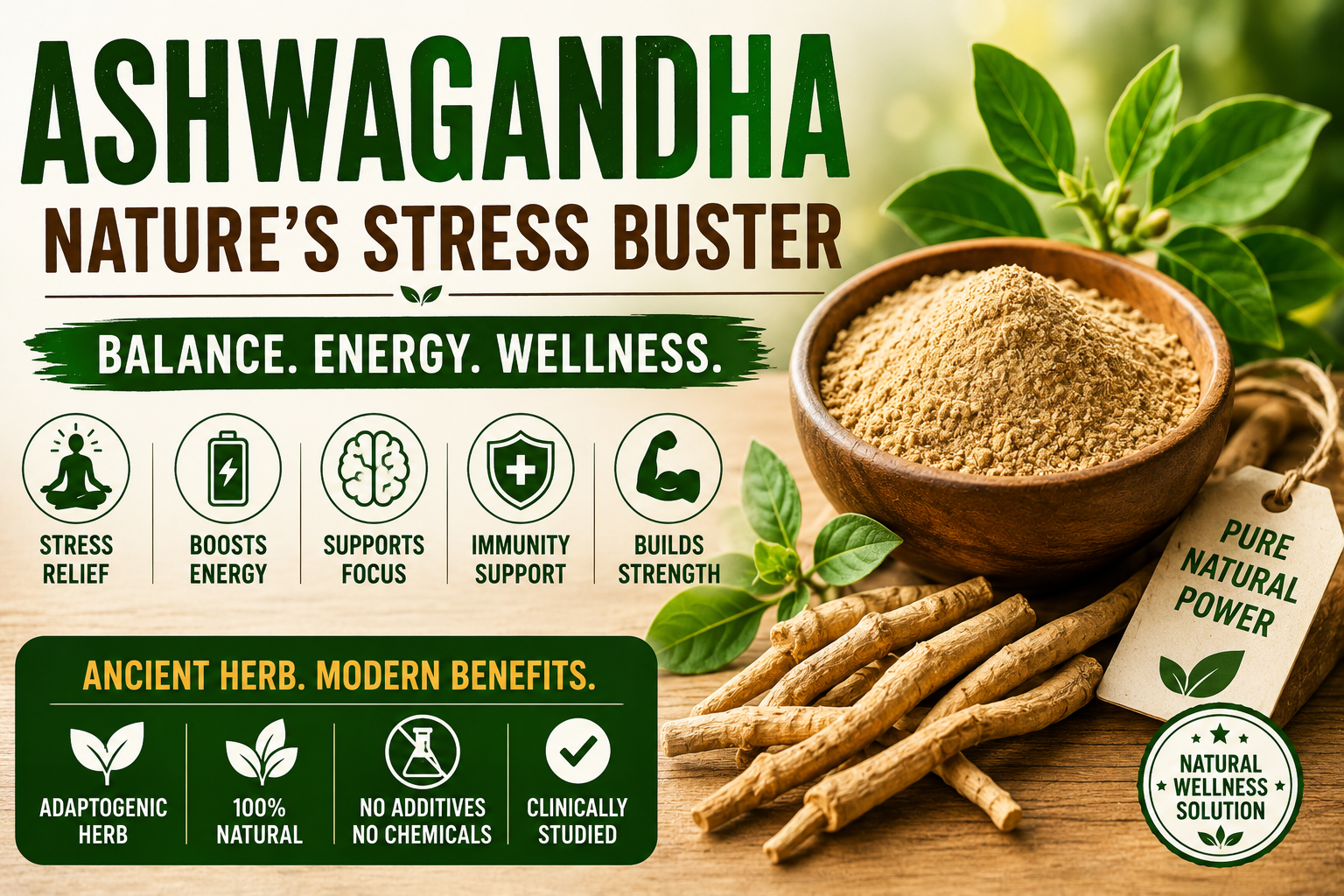
Ashwagandha has become one of the world’s most talked-about herbal supplements, and for good reason. For centuries, this powerful medicinal herb has been used in traditional Ayurvedic medicine to promote strength, vitality, stress resilience, and overall wellness. Today, modern scientific research is beginning to validate many of these traditional uses, making ashwagandha increasingly popular among people seeking natural ways to improve physical and mental health.
Whether your goal is reducing stress, improving sleep, enhancing athletic performance, supporting brain function, or boosting overall well-being, understanding how ashwagandha works is essential before adding it to your daily routine. This comprehensive guide explores the herb’s benefits, dosage recommendations, potential side effects, research-backed evidence, and practical tips for safe use.
What Is Ashwagandha?
Ashwagandha (Withania somnifera) is an evergreen shrub native to India, the Middle East, and parts of Africa. It belongs to the nightshade family and has been a cornerstone of Ayurvedic medicine for over 3,000 years.
The name “ashwagandha” comes from Sanskrit and roughly translates to “smell of a horse,” referring both to the scent of its roots and the traditional belief that it provides the strength and stamina of a horse.
Today, manufacturers primarily use the plant’s root to produce:
- Capsules
- Powders
- Gummies
- Tablets
- Liquid extracts
- Herbal teas
The active compounds responsible for many of its health effects are called withanolides, naturally occurring substances believed to possess antioxidant, anti-inflammatory, and adaptogenic properties.
What Makes Ashwagandha an Adaptogen?
One of the reasons ashwagandha has gained worldwide attention is its classification as an adaptogen.
Adaptogens are natural substances believed to help the body adapt to physical, emotional, and environmental stress. Rather than targeting a single symptom, they work by supporting the body’s natural stress response.
Potential adaptogenic effects include:
- Helping regulate cortisol levels
- Supporting mental resilience
- Reducing fatigue
- Promoting balanced energy
- Supporting immune function
- Enhancing overall well-being
Although more long-term studies are still needed, current research suggests these effects may explain many of the herb’s reported benefits.
Top Health Benefits of Ashwagandha
1. Helps Reduce Stress and Anxiety
Stress management remains one of the most researched uses of ashwagandha.
Several clinical studies have shown that standardized ashwagandha extracts may significantly reduce perceived stress and anxiety while lowering cortisol, the body’s primary stress hormone.
People often report:
- Feeling calmer
- Better emotional balance
- Less nervousness
- Improved ability to handle daily challenges
These benefits may become noticeable after several weeks of consistent use.
2. May Improve Sleep Quality
Poor sleep affects energy, mood, memory, and immune function.
Ashwagandha may support healthier sleep by helping calm the nervous system and reducing stress-related sleep disturbances.
Potential sleep benefits include:
- Falling asleep faster
- Sleeping more deeply
- Fewer nighttime awakenings
- Better morning energy
Individuals with stress-induced insomnia may experience the greatest improvement.
3. Supports Brain Health
Emerging research suggests ashwagandha may support cognitive performance.
Potential benefits include:
- Better memory
- Improved attention
- Faster information processing
- Enhanced focus
- Mental clarity
Researchers are also investigating its possible role in protecting brain cells from oxidative stress, although more evidence is needed.
4. May Increase Physical Performance
Athletes and fitness enthusiasts frequently use ashwagandha to improve training performance.
Research suggests supplementation may help with:
- Muscle strength
- Recovery
- Endurance
- Exercise capacity
- Reduced exercise-related fatigue
Some studies have also found improvements in VO₂ max, an important indicator of cardiovascular fitness.
5. Supports Healthy Testosterone Levels in Some Men
Several studies suggest ashwagandha may help support reproductive health in certain men.
Potential effects include:
- Improved sperm quality
- Increased sperm count
- Better fertility parameters
- Support for healthy testosterone levels in some individuals
However, results vary, and the supplement should not be viewed as a treatment for hormonal disorders without medical advice.
6. May Help Regulate Blood Sugar
Preliminary research indicates that ashwagandha may contribute to healthy blood sugar regulation.
Possible mechanisms include:
- Improved insulin sensitivity
- Reduced fasting blood glucose
- Better metabolic function
However, people taking diabetes medications should consult a healthcare professional before using it because combining both could lower blood sugar excessively.
7. Supports Heart Health
Some evidence suggests ashwagandha may contribute to cardiovascular wellness through its effects on stress reduction and inflammation.
Potential benefits include:
- Healthier cholesterol levels
- Improved circulation
- Better endurance
- Reduced oxidative stress
Larger clinical trials are still needed to confirm these findings.
8. May Strengthen Immune Function
Ashwagandha contains plant compounds with antioxidant activity that may support immune health.
Possible benefits include:
- Reduced inflammation
- Better immune response
- Protection against oxidative damage
- Enhanced recovery from stress
While promising, it should not replace vaccinations, medications, or medical treatment.
Scientific Research on Ashwagandha
Interest in ashwagandha has increased dramatically over the past decade.
Clinical research has explored its potential effects on:
- Chronic stress
- Anxiety disorders
- Athletic performance
- Sleep quality
- Cognitive function
- Male fertility
- Inflammation
- Blood sugar regulation
Many studies report encouraging results, especially when standardized root extracts are used at recommended doses. However, researchers continue to emphasize the need for larger, long-term clinical trials involving diverse populations.
Overall, current evidence supports several traditional uses while highlighting areas where further investigation is necessary.
How to Take Ashwagandha
Ashwagandha is available in multiple forms.
Common options include:
Capsules
- Convenient
- Accurate dosage
- Popular among beginners
Powder
- Can be mixed into smoothies
- Added to milk
- Mixed with yogurt
- Used in herbal drinks
Gummies
- Easy to consume
- Pleasant taste
- Convenient for travel
Liquid Extract
- Fast absorption
- Flexible dosing
- Easy to add to beverages
Choosing a high-quality product that clearly lists standardized withanolide content can help ensure consistent dosing.
Recommended Dosage
The ideal dosage depends on the product, extract concentration, and intended purpose.
General research-backed ranges include:
- 250–300 mg daily for stress support
- 300–600 mg daily for general wellness
- Up to 600 mg daily in several clinical studies
Higher doses should only be taken under professional guidance.
Consistency matters more than taking very large amounts.
When Is the Best Time to Take Ashwagandha?
The best time depends on your goals.
Morning may be suitable for:
- Energy support
- Stress management
- Daily focus
Evening may be better for:
- Relaxation
- Better sleep
- Nighttime recovery
Some people divide the dose between morning and evening.
Taking it with food may reduce the chance of mild stomach discomfort.
Possible Side Effects
Most healthy adults tolerate ashwagandha well when used appropriately.
Possible side effects include:
- Upset stomach
- Nausea
- Diarrhea
- Drowsiness
- Mild digestive discomfort
- Headache
These symptoms are generally mild and often improve after reducing the dose.
Who Should Avoid Ashwagandha?
Although generally considered safe for many adults, certain individuals should avoid or use caution.
Consult a healthcare professional before using ashwagandha if you:
- Are pregnant
- Are breastfeeding
- Have thyroid disorders
- Have autoimmune diseases
- Take blood sugar medications
- Take blood pressure medications
- Use sedatives
- Have liver disease
- Are preparing for surgery
A healthcare provider can determine whether the supplement is appropriate for your individual health situation.
How Long Does It Take to Work?
Results vary depending on the person and the intended benefit.
Many people notice improvements in:
- Stress within 2–4 weeks
- Sleep within several weeks
- Physical performance after 6–8 weeks
- Cognitive benefits after consistent long-term use
Maintaining regular daily use while following recommended dosages generally produces the best results.
Choosing a Quality Ashwagandha Supplement
Not all supplements offer the same quality.
Look for products that provide:
- Third-party testing
- Standardized root extract
- Clearly listed withanolide percentage
- Transparent ingredient labels
- Minimal unnecessary additives
- Good manufacturing practices (GMP)
Reading independent reviews and purchasing from reputable manufacturers can also improve product quality and safety.
Ashwagandha vs Other Popular Adaptogens
Many people compare ashwagandha with other adaptogenic herbs.
Ashwagandha is commonly chosen for stress relief, sleep support, and overall resilience.
Rhodiola is often preferred for mental energy and fatigue.
Ginseng is traditionally associated with physical endurance and immune support.
Holy Basil (Tulsi) is frequently used for stress management and metabolic health.
Each herb has unique properties, and the best choice depends on individual health goals and medical history.
Practical Tips for Getting the Best Results
To maximize the benefits of ashwagandha:
- Take it consistently every day.
- Follow the dosage recommended on the product label unless advised otherwise by a healthcare professional.
- Combine supplementation with regular exercise.
- Prioritize quality sleep.
- Eat a balanced, nutrient-rich diet.
- Manage stress through mindfulness or relaxation techniques.
- Stay hydrated.
- Monitor how your body responds over time.
Healthy lifestyle habits work together with supplementation to support long-term wellness.
Conclusion
Ashwagandha has earned its reputation as one of the most widely studied and respected herbal supplements available today. Traditional Ayurvedic medicine has valued it for thousands of years, and modern research increasingly supports its potential role in reducing stress, improving sleep, enhancing physical performance, supporting cognitive function, and promoting overall well-being. While the evidence is promising, no supplement is a cure-all, and individual results can vary. Choosing a high-quality product, following recommended dosages, and consulting a healthcare professional when necessary are the best ways to use ashwagandha safely and effectively. When combined with healthy nutrition, regular exercise, and good sleep habits, it can become a valuable part of a balanced wellness routine.
Frequently Asked Questions
1. What is ashwagandha used for?
Ashwagandha is commonly used to support stress management, improve sleep quality, enhance physical performance, promote mental clarity, and support overall health and wellness.
2. Is ashwagandha safe to take every day?
Many healthy adults can take ashwagandha daily at recommended doses. However, people with certain medical conditions or those taking prescription medications should consult a healthcare professional before regular use.
3. How long does it take for ashwagandha to start working?
Many people notice stress and sleep improvements within two to four weeks, while benefits related to fitness, endurance, and cognitive performance may take six to eight weeks of consistent use.
4. Can ashwagandha increase testosterone?
Some studies suggest that ashwagandha may support healthy testosterone levels and improve certain fertility markers in some men, but results vary and more research is needed.
5. What are the common side effects of ashwagandha?
Possible side effects include mild stomach upset, nausea, diarrhea, drowsiness, headache, and digestive discomfort. Serious side effects are uncommon but should be discussed with a healthcare professional if they occur.